The phone call that alters your week never comes to a practical time. It comes when your schedule is full, your phone is buzzing, and someone close by suddenly breaks down, chokes at a customer lunch, or cuts themselves severely on site. In those first minutes, nobody cares what your job title is. They care whether you can act.
That is where focused first aid and CPR training pays off, specifically when it values just how little spare time you have.
I have actually invested years teaching first aid and CPR courses to professionals that appear in matches, scrubs, uniforms, or hi‑vis vests. Most of them get here anxious about the moment commitment. A lot of them leave saying the exact same thing: "I wish I had done this sooner."
This article pulls together what really matters for a busy expert selecting a first aid and CPR course, how fast or express layouts work in method, and what you need to insist on from any kind of first aid training provider.
Why first aid skills matter greater than your schedule
In an emergency situation, mins matter more than degrees, seniority, or salary.
Cardiac apprehension provides the clearest instance. Without CPR, survival stop by an approximated 7 to 10 percent for each minute that passes without effective upper body compressions and defibrillation. By the time emergency situation services hammer out website traffic and structure security, those mins are gone.
When I teach fast CPR courses in city offices, I often ask that has seen a real emergency. Hands increase: an associate that passed out in a conference, a moms and dad who choked at a restaurant, a construction worker that fell from a ladder. A lot of those circumstances unfolded far from a health center but really near somebody who might have assisted, if they had actually been trained.
For active professionals, the barrier is rarely motivation. It is time. That is why fast first aid training, express CPR courses, and mixed alternatives matter. The goal is not to transform you into a paramedic. The goal is to offer you a sharp, trusted skill set you can use in between the case and the arrival of medical help.
What busy professionals in fact need from a course
If you function long hours, travel frequently, or juggle conferences, you do not require a vast, theoretical program. You need a fast first aid course that is:
Focused on the emergencies you are likely to see. An attorney in a city workplace, a child care employee, and a stockroom supervisor encounter various risks. Express child care first aid courses, for instance, emphasise choking, high temperature, allergic reactions, falls, and play‑related injuries. A construction‑focused first aid course might lean harder on bleeding, fractures, crush injuries, and electrical shocks.
Built around method, not talks. Grownups learn physical abilities through doing, not listening. Reliable first aid and CPR training classes keep theory short and use a lot of the moment for hands‑on work: compressions on CPR manikins, practice with training AEDs, practicing exactly how to roll somebody right into the recovery setting, applying wound dressings and slings.
Designed to fit tight schedules. Fast first aid courses, express first aid classes, and mixed styles (online plus brief in‑person sessions) identify that you can not disappear from the office for several days. I have instructed extremely reliable programs in 3 to 5 hours, given pre‑course online components cover the basics.
Clear regarding certification. Several professionals require a first aid certificate to meet work environment, industry, or regulatory standards. A fast certification is fine, as long as it is identified and certified. That could be a standard occupational first aid and CPR course, a FAP first aid type program in some regions, or a childcare‑specific credential.
For elderly team, there is a fifth need: credibility. If you take care of people, lead teams, or host clients, having the ability to organize an emergency situation without panic lugs weight. People remember who moved forward to help.
Core abilities you must leave with
Different suppliers brand name their courses in various methods: first aid and CPR course, standard life assistance, express first aid and CPR, fast CPR correspondence course, and more. Names differ, however the essential skill set need to be surprisingly consistent.
Recognising a clinical emergency
Good first aid starts prior to you touch the casualty. You ought to find out to check promptly and make a decision whether you are handling a minor injury, a time‑critical emergency, or a circumstance where your own safety and security goes to risk.
This consists of finding cardiovascular disease indication, feasible stroke, serious trouble breathing, signs of shock, and when hemorrhaging or burns are serious enough to be life‑threatening.
CPR and AED use
Every professional first aid and CPR training program ought to offer you confident, repeatable CPR abilities:
You discover just how to check cpr training Morphett Vale responsiveness, open up the airway, evaluate breathing, and begin chest compressions that are deep and fast sufficient to matter. You practice cycles of compressions and breaths, and you will almost certainly be amazed by exactly how literally demanding correct CPR is.
You likewise experiment an automated external defibrillator, or AED. Modern AEDs are intentionally easy. Throughout cpr training, you will certainly see how to affix pads, comply with the prompts, clear others away throughout a shock, and resume compressions right away. In lots of offices, shopping malls, health clubs, and airports, an AED is closer than individuals understand. Your work is to understand just how to use it.
Managing choking
Choking happens in boardrooms, team kitchen areas, and day care centres more often than individuals admit. On a fast first aid course, you should discover practical methods for:
- Helping a receptive grownup or youngster that is choking, consisting of back strikes and abdominal thrusts Modifying strategies for infants, especially in an express child care first aid course Recognising when someone is coughing properly and when they remain in real danger
This is one of the scenarios where even a short, express first aid course can definitely alter a result. The methods are straightforward, but they should be exercised, not just described.

Bleeding, wounds, and shock
Modern first aid courses put renewed emphasis on major bleeding. You should discover just how to apply direct stress, use dressings and plasters, improvise when supplies are restricted, and recognise internal bleeding and shock.
For active specialists in settings with tools, cars, or warehouse operations, this component of first aid training is not optional. An express first aid training provider should still designate adequate time for hands‑on bandaging and sensible scenarios.
Unresponsive however breathing: healing placement and monitoring
Not every collapse needs CPR. If a person is less competent but still breathing, shielding their respiratory tract becomes the top priority. A qualified first aid and CPR course reveals you just how to roll a person right into a stable side position and how to check here check breathing until assistance arrives.
This is where several fast first aid courses cut edges, and it shows in the field. Rolling an individual securely, especially a bigger grownup, is a functional ability. It requires a bit of strategy and technique, not simply seeing a video.
Are fast and express courses "good enough"?
Many professionals come close to a fast first aid course near me with suspicion. "If it is that brief, is it thinned down?" The straightforward solution is: it depends who is running it, and how they structure it.
Short courses can be superior when:

They use pre‑course online discovering to cover theory. Participants total first aid fundamentals, CPR principles, and lawful considerations at their very own speed. The in‑person session after that concentrates on application and practice.
Group dimensions are regulated. You can not practice CPR efficiently in a team of 30 individuals with two manikins, regardless of just how experienced the instructor is. Good express cpr training limitations numbers or materials sufficient equipment.
Scenarios are reasonable and pressed. Instead of lengthy lectures concerning every condition under the sun, a fast first aid course drops you right into real‑world scenarios: a co‑worker with breast pain in a conference area, a youngster with an allergy on a playground, an employee that slips, hits their head, and ends up being confused.
Where fast CPR courses or express first aid courses fail is when they give up technique for speed or advertising. If participants leave without sore arms from compressions, without ever before utilizing a training AED, or without taking care of a bandage, the course was too fast.
When you assess fast first aid training or express cpr courses, look less at the promoted period and even more at the equilibrium of hands‑on technique to theory, and the proficiency of the trainer.
How to select the right first aid and CPR training provider
Picking a carrier typically feels like comparing comparable pamphlets with various logos. It pays to look beyond the branding and ask concrete questions. The listed here shows what I recommend corporate clients that want effective first aid and CPR courses for their staff.
Accreditation and recognition
Examine that the first aid courses bring about a first aid certificate acknowledged by your local regulator, sector body, or insurance provider. Sector‑specific choices, such as express childcare first aid courses, should meet childcare guidelines, not simply common standards.Content fit for your risks
An office‑based group might not need extensive components on outside survival, but they do require solid CPR training, AED technique, choking monitoring, and reaction to heart attacks and strokes. Childcare professionals require express childcare first aid training that emphasises paediatric CPR, choking in babies, high temperature, seizures, and sensitive reactions.Format and timing
If your group is spread throughout places or works shifts, blended understanding or several short express first aid sessions may be more sensible than a solitary long day. Ask especially whether they supply express first aid course or express cpr course options that can run early, late, or throughout lunch windows.Instructor experience
There is a distinction between a person that can recite the manual and a person who has worked real emergency situations. Ask that will in fact instruct your fast first aid course. A number of the best instructors have histories in paramedicine, nursing, firefighting, or safety and security management, incorporated with strong mentor skills.Practice ratio
Try to find suppliers who devote to purposeful method time. For a combined first aid and cpr course, you ought to expect significant hands‑on work, not just presentations. If you listen to that the majority of the time is invested in slides, maintain looking. 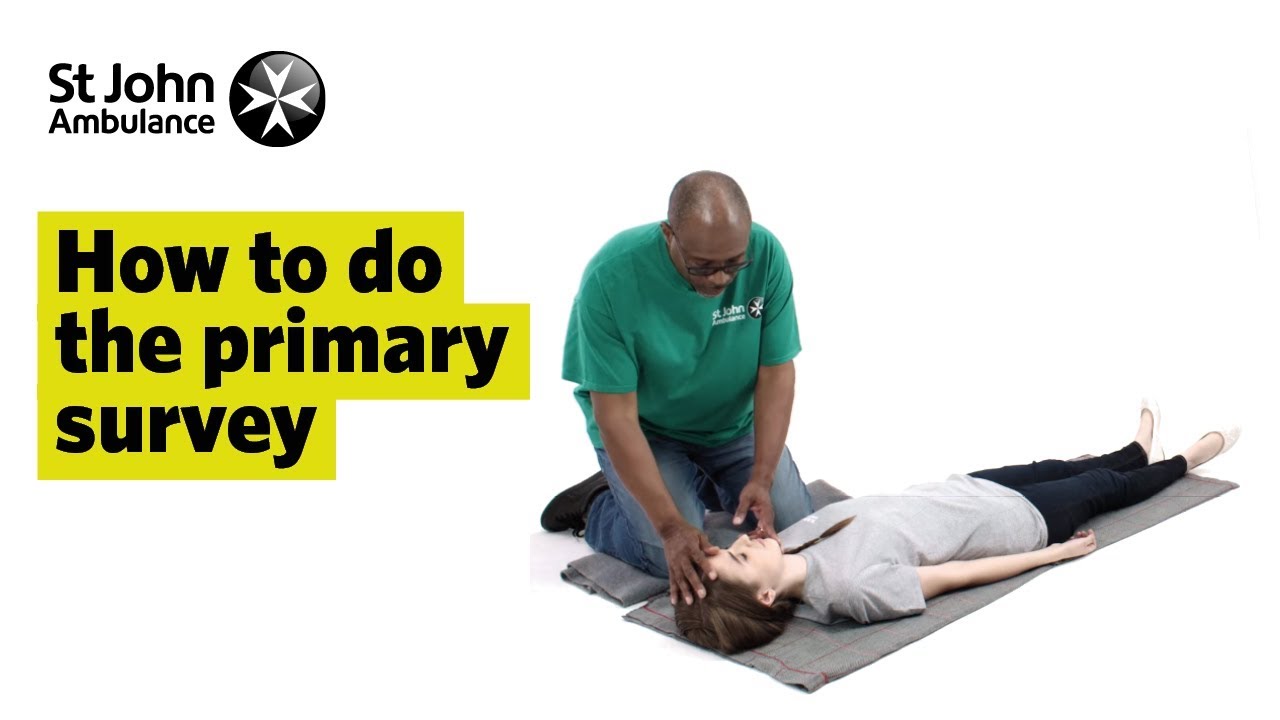
If a supplier bristles when you ask comprehensive concerns, that itself is an answer.
What a focused session in fact really feels like
People typically ask what a half‑day fast first aid course with CPR training appears like in reality. A common layout I instruct for office‑based experts competes about 4 hours of contact time, plus pre‑course online modules.
Before arrival, individuals finish a brief online structure covering standard first aid principles, lawful and workplace duties, infection control, and an overview of CPR and AED use. It generally takes under an hour.
The in‑person session starts with a fast review of that on the internet web content, after that jumps directly right into functional evaluation of an unresponsive casualty, airway management, and recognition of heart attack. I place manikins on the floor early. Participants practice compressions, rescue breaths if required by the curriculum, and work in sets to use a training AED.
After a short break, we move right into choking, severe bleeding, and clinical emergencies like heart attack and stroke. Instead of lengthy lectures, I run short situations: "You are in a meeting, and your client clutches their upper body and looks pale. Talk me through what you see, think, and do." Every scenario ends with a debrief tying the experience back to clear, memorable steps.
By the end, participants have performed loads of collections of compressions, made use of AEDs numerous times, rolled each various other into the healing position, and dealt with plasters and slings. They entrust to a first aid certificate, however much more notably, with the muscle mass memory and decision‑making confidence they did not contend 9am.
That is the standard you need to expect, even from fast first aid courses or express cpr courses.
Online, mixed, or classroom: which format works best?
Technology has actually changed just how first aid and CPR courses are delivered. For active specialists, this can be a blessing if made use of wisely.
Purely on-line first aid courses work for awareness training yet have clear restrictions. You can not find out the feel of upper body compressions, the pressure required to remove a respiratory tract, or the skill of rolling somebody safely by viewing a screen. For any course that assures a detailed first aid and CPR certificate, there should be a hands‑on component.
Blended learning combines on the internet modules with shorter in‑person practice sessions. This is where fast first aid training radiates. You handle understanding and theory at your very own speed, then make use of valuable face‑to‑face time for functional job, questions, and circumstances. Lots of fast cpr correspondence course programs now follow this version, which is optimal for recertification when your fundamentals are already strong.
Traditional class courses still belong, particularly for high‑risk markets or sophisticated levels like occupational or workplace first aid where extended scenarios and more complex abilities are required. For little teams or limited schedules, however, a half‑day express first aid training block plus an evening of online modules is usually simpler to arrange than a complete time off the floor.
One functional pointer: whatever style you select, protect the moment. If your phone gets on the table and your inbox is open, your mind will not inscribe the abilities as well. Real emergency situations demand your complete focus. Training must too.
A basic psychological checklist for real emergencies
In course, individuals stress over bearing in mind long methods. In reality, what you need is a straightforward, trusted mental list that you can remember under stress. Different organisations utilize different phrases, yet the spirit is comparable. Here is an uncomplicated version I show that fits well with fast first aid and cpr training classes:
Safety
Check your own safety and security first. Search for website traffic, electrical power, sharp items, fire, or hostility. Do not come to be a second casualty.Response
Speak with the individual, touch their shoulder, and see if they respond. If there is no action, call for help.Airway and breathing
Carefully open the respiratory tract, appearance and listen for regular breathing, and see the upper body. Choose: breathing usually, or not?Call and send
If breathing is not normal, call emergency solutions or direct a person by name to do it, and send out somebody for an AED if available.Act
Begin CPR if shown, deal with life‑threatening blood loss, or put the individual in the healing placement if they are taking a breath however unresponsive. Continue up until aid shows up or the person recovers.Practicing this series throughout express cpr courses or a complete first aid and CPR course makes it acquired behavior. When thirty people are yelling, alarm systems are seeming, and your heart price climbs up, you draw on what you have actually rehearsed.
Keeping skills sharp when you are busy
Skills fade. That is not an objection, it is basic neuroscience. If you participate in a fast first aid course today and never consider CPR once again, you will feel rustic in a year.
Most first aid certifications continue to be valid for 2 to 3 years, but many organisations highly advise more constant CPR refresher courses. That is where fast cpr and express cpr training choices matter. A focused, 1 to 2 hour fast cpr refresher course every year can keep your skills high without ravaging your schedule.
Between formal first aid and cpr courses, you can keep abilities alive with short, low‑effort behaviors:
Visualise. Every so often, when you pass the workplace cooking area, ask on your own silently, "If a person choked below, what would I do first?" That mental wedding rehearsal strengthens recall.
Check AED areas. Throughout a fire drill, staff instruction, or perhaps a quiet moment, bear in mind of where the nearest AED is, just how to access it, and whether it appears maintained. If you can not locate one, increase the issue.
Review a fast card. Some work environments issue pocket cards or lanyard overviews summing up CPR steps and emergency situation numbers. Maintain one on your ID badge and scan it occasionally.
Volunteer as an assigned very first aider. Numerous organisations formally designate initial aiders to floors or teams. It typically features targeted first aid training and ensures a person in each location takes possession of readiness.
These small actions cost mins per month but indicate that when your following express first aid course or fast cpr refresher rolls about, you are including layers of self-confidence rather than beginning with zero.
Tailoring courses to particular roles
Not every hectic professional demands the exact same first aid tool package. Picking the right first aid training suggests looking honestly at your environment.
Childcare professionals and instructors gain from express child care first aid courses that emphasise paediatric conditions. They ought to practice infant CPR, monitoring of febrile seizures, play area injuries, and recognition of severe childhood years health problems. Express child care first aid training can typically be structured around centre hours, with night or weekend break options.
Managers, HR specialists, and team leaders are commonly the ones individuals aim to when something fails. For them, a solid first aid and CPR course issues, but so does training on sychronisation: delegating jobs, handling crowds, liaising with emergency services, and supporting colleagues after a terrible incident.
Remote workers and frequent travellers have distinct requirements too. A salesman when driving might need a small first aid set in their automobile and a strong grounding in what to do when professional assistance is greater than a couple of minutes away. Some companies use express first aid courses tailored to travel threats, including what information to offer emergency responders when you are alone.
For high‑risk sectors such as production, logistics, or field service, basic fast first aid courses may not suffice. Extended work-related first aid and cpr training classes that cover crush injuries, chemical exposure, constrained rooms, and multi‑casualty circumstances might deserve the bigger time investment.
The point is not to go after every certification under the sun. It is to match the level and emphasis of your first aid courses to the means you in fact live and work.
Taking the following action without overthinking it
Many experts postpone first aid training since they are waiting on a quieter week. Those weeks rarely show up. The reality is that a well‑run express first aid course or fast first aid course needs much less time than lots of people believe, specifically with blended layouts and on‑site sessions.
When you look for a fast first aid course near me or compare express cpr courses, utilize clear standards: actual accreditation, strong sensible emphasis, instructors with area experience, and a format that appreciates your time while still supplying enough technique to build muscle memory.
The payback is not just a first aid certificate holding on a wall. It is the ability to remain calm when something frightening takes place before you, to take beneficial activity prior to professionals show up, and to recognize that when somebody required help, you did not depend on the sidelines.
Busy schedules are actual. So are emergency situations. A meticulously selected first aid and CPR course is exactly how you bridge the space in between them.